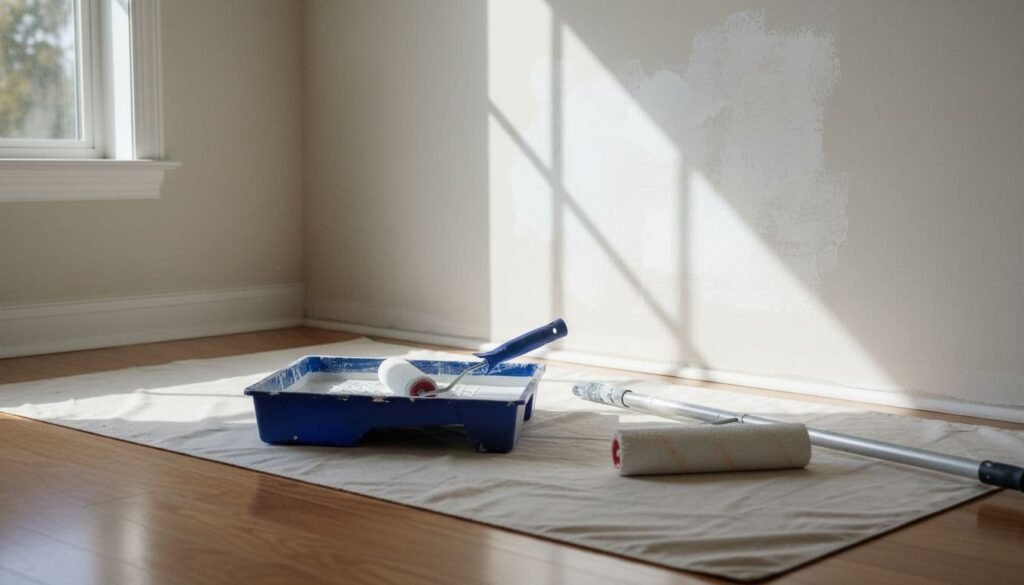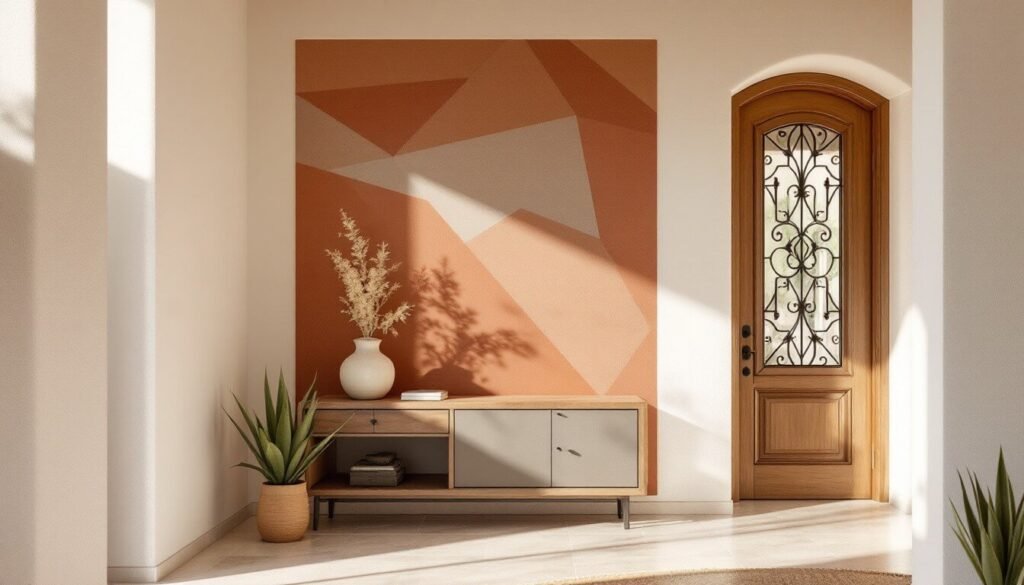
What Is Limewash? Timeless Wall Finish for Arizona Interiors
The Limewash Aesthetic
If you scroll through Instagram or design blogs, you see it everywhere. Soft, cloudy walls that look like stone and feel calm and natural. That look is often limewash.
- What Is Limewash? Timeless Wall Finish for Arizona Interiors
- The Limewash Aesthetic
- What Is Limewash and Why Is It Trending in Arizona Homes?
- How Limewash Works: Ingredients, Surfaces, and Arizona Climate
- Pros and Cons of Limewash for Arizona Interiors
- Limewash Application: DIY vs Hiring a Phoenix Painting Pro
- Is Limewash Right for Your Arizona Home? Key Questions to Ask
- FAQ: Common Questions About Limewash in Phoenix and Arizona Interiors
- Conclusion
Limewash is an old-world wall finish that fits right in with Arizona’s desert light and Southwest style. Homeowners across Phoenix, Scottsdale, and nearby cities are turning to limewash for warm, relaxed interiors that don’t feel harsh or overly showy.
This guide explains, in plain language, what limewash is, how it works, the pros and cons for Arizona interiors, and how to decide if it is right for your home.
What Is Limewash and Why Is It Trending in Arizona Homes?
Limewash is a natural paint made from limestone, water, and mineral pigments. The limestone is heated, then mixed with water to create slaked lime. When you brush it onto a wall, it cures and hardens as it reacts with the air.
Unlike regular latex paint, limewash soaks into the surface. It becomes part of the wall instead of forming a plastic film on top.
The result is a soft, matte, slightly cloudy finish. Think of old European farmhouses, historic churches, or weathered adobe. The look is textured without being rough and has gentle color shifts that you cannot get from standard eggshell paint.
This style fits Arizona very well. It works with light, earthy colors, stone floors, wood beams, and simple modern furniture. In Phoenix and Scottsdale, homeowners want calm, natural interiors that still feel high-end. Limewash hits that target.
How Limewash Is Different From Regular Interior Paint
Most interior paints are acrylic or latex. They are made with synthetic binders, pigments, and additives. When you roll them on, they dry into a thin film on the surface.
Limewash works differently.
- It is mineral-based, not plastic-based.
- It soaks into porous surfaces, like plaster or masonry.
- It hardens by reacting with carbon dioxide in the air.
Regular wall paint comes in finishes like flat, eggshell, satin, or semi-gloss. Even a flat latex paint still has a uniform, even look.
Limewash has a chalky, velvety finish. The color has movement. You see slight variations, lighter and darker areas, and soft overlaps where brush strokes meet. It feels more like stone than paint.
On the wall, standard paint can look sharp and perfect. Limewash looks softer and more relaxed. In strong Arizona sunlight, that difference matters. Limewash can reduce the harsh glare you often see on bright, flat-painted walls.
What Limewash Walls Look and Feel Like Inside Your Home
Picture a bedroom wall that looks like it has been there for decades, even in a brand new home. The color is even, but not flat. There are gentle clouds and shifts that you only notice when the light moves across the room.
That is a limewashed wall.
The surface feels dry and smooth, not glossy. It is similar to a chalky stone surface. Under the Phoenix sun, when light pours in through big windows, limewash breaks up the reflection. The wall reads soft instead of shiny.
This look works especially well in:
- Living rooms where you want a calm, cozy feel
- Bedrooms where harsh white walls feel too bright
- Dining rooms or home offices where you want character without bold colors
When you think about limewash, do not focus only on color names. Think about how you want the room to feel. Relaxed, earthy spaces take neutral limewash colors very well. Soft whites, warm beiges, grays with a bit of warmth, and muted clay tones all perform nicely in desert light.
How Limewash Works: Ingredients, Surfaces, and Arizona Climate
You don’t need a chemistry degree to understand limewash. Once you know the basics, it is easier to see where it fits in your home.
Simple Breakdown of Limewash Ingredients
At its core, limewash has three main parts:
- Slaked lime: Limestone heated in a kiln, then mixed with water and aged.
- Water: Used to thin the lime to a brushable, milky liquid.
- Mineral pigments: Natural or synthetic minerals that add color.
Because it is mineral-based and has few additives, quality limewash products are very low in VOCs. That means less odor and fewer fumes compared to many standard paints.
Lime is also naturally high in pH. While it is wet, it is alkaline and must be handled with care. Once cured, that high pH gives limewash mild antimicrobial qualities. That can help resist mold on the right substrates, which is helpful in areas that see some moisture.
For many families in Phoenix who are sensitive to strong paint smells, the low-odor, mineral makeup of limewash is a big plus.
Best Interior Surfaces for Limewash in Arizona Homes
Limewash likes surfaces that can absorb it. It bonds by soaking in, not by sticking to a slick film.
Great candidates inside Arizona homes include:
- Interior plaster
- Masonry and block
- Some interior stucco
- Drywall that has been prepped with a mineral or lime-based primer
Poor candidates include:
- Glossy or oil-based paints
- Vinyl, plastic, or laminate panels
- Very smooth, sealed surfaces without the right primer
On standard Phoenix drywall that already has several coats of old paint, you need the right prep. A pro will repair damage, sand as needed, and often apply a special mineral primer. That primer gives the limewash a surface it can grab onto, so it cures hard and lasts.
Skipping this step leads to weak bonding and uneven curing, especially under air conditioning and strong sunlight.
Why Limewash Loves Hot, Dry Climates Like Phoenix
Limewash lets walls breathe. That means moisture can move through the finish rather than getting trapped behind a plastic film.
In older block or plaster homes in central Phoenix, this is useful. If a wall gets a bit of moisture during monsoon season, a breathable coating lets it dry out more easily.
The flat, mineral surface of limewash also cuts glare. In homes with big south or west-facing windows, bright latex paint can look harsh. Limewash diffuses light so rooms feel cooler and calmer.
The mineral base stands up well in low humidity when the system is built correctly. Good prep, the right primer for non-porous surfaces, and multiple thin coats give a tough, bonded finish. Inside, with normal wear, limewash can last many years and age gracefully.
Pros and Cons of Limewash for Arizona Interiors
Limewash is beautiful, but it is not for every room or every homeowner. A clear look at the tradeoffs helps you decide.
Benefits: Natural, Breathable, and Beautifully Textured Walls
Key advantages for Arizona interiors include:
- Breathable finish that works well on masonry and older plaster
- Low-odor, low-VOC makeup that suits people with sensitivities
- A unique, high-end look without the cost of full plaster walls
- Ability to soften strong light from the Phoenix sun and reduce glare
- Better at hiding minor wall flaws than a sharp, bright paint
- Simple refreshes, since you can add another thin coat later
The soft movement in limewash color is great for smaller or darker rooms. You get interest and depth without bright or loud shades. It’s a beautiful aesthetic for high-end homes as well, like properties in Paradise Valley.
Drawbacks: Maintenance, Cleanability, and Expectations
Limewash has real downsides you should understand:
- It is less scrubbable than many modern paints
- It can mark or patina over time with regular contact
- Heavy cleaning can wear it down
- Proper prep and multiple coats add labor and cost
Some people love the patina and slight wear. They see it like a leather chair that gains character. Others want perfectly even, crisp walls that look the same year after year. Those homeowners may be happier with high-quality acrylic paint instead.
Where Limewash Works Best Inside an Arizona Home
Limewash works very well in:
- Living rooms and great rooms
- Primary and guest bedrooms
- Dining rooms and breakfast nooks
- Home offices and reading rooms
- Feature walls and fireplace surrounds
Use with care in:
- Busy hallways with lots of hands on the walls
- Kids’ rooms where walls take a beating
- Kitchens near cooking zones and splashes
In full bathrooms with daily showers and lots of steam, limewash is rarely the only finish. It can work on select walls in powder rooms if you accept some patina. The key is to match the material to traffic, kids, pets, and how often you need to wipe things down.
Limewash Application: DIY vs Hiring a Phoenix Painting Pro
You can buy limewash products in Phoenix, but a great finish is about more than the bucket. The system, prep, and technique matter just as much as the product.
What the Limewash Process Looks Like Step by Step
From a homeowner’s view, a typical limewash project includes:
- Inspecting walls for cracks, peeling paint, and stains.
- Repairing and cleaning so that dust, oils, and loose material are gone.
- Priming, often with a mineral or lime-based primer, on drywall or painted surfaces.
- Mixing limewash with water to a thin, milky consistency.
- Applying multiple thin coats with a large brush, usually in crossed strokes.
- Letting each coat dry before adding the next.
- Blending or layering in a planned way to create even movement, not random blotches.
The brushwork matters. If you stop and start too often or work in small patches, you get streaks instead of a soft, clouded effect. Good limewash work looks intentional, not patchy.
Can You DIY Limewash or Should You Hire a Pro?
A handy homeowner can try limewash on a small accent wall. If you accept some trial and error, a DIY project may work on a single bedroom wall or a low-traffic room.
Whole rooms, main living areas, or open floor plans are another story. With large surfaces, changes in technique show quickly. Uneven absorption, lap marks, and bad cut lines around trim are hard to fix without starting over.
There is also safety to think about. Wet lime is alkaline and can irritate skin and eyes, so proper protection is important.
Many homeowners choose to hire Professional interior painting services in Phoenix when they want limewash in main spaces. Experienced painters who work with decorative finishes in Arizona can:
- Test your existing walls and pick the right primer system
- Plan a color and technique that fits your light and furniture
- Control drying time in air-conditioned rooms
- Deliver an even, repeatable look across large areas
How Limewash Costs Compare to Regular Interior Painting
Material cost for limewash can be similar to, or a bit more than, high-quality interior paint. The bigger difference is labor.
Limewash usually needs more prep for bonding and more handwork. Most finishes use several thin coats and careful brush application. That extra time adds cost compared to a basic roll-and-cut latex job.
For many Phoenix homeowners, the custom, high-end look is worth that extra cost, especially in main living spaces, entry walls, and primary bedrooms. A detailed in-home estimate from a local painting company is the only way to know your true price and options.
Is Limewash Right for Your Arizona Home? Key Questions to Ask
A few simple questions can tell you if limewash fits your style and lifestyle.
Your Style: Do You Like Imperfect, Natural, and Soft Finishes?
Think about what you like in photos and in person.
If you are drawn to plaster, old stone, and walls with subtle shifts in tone, limewash may be a good match. The finish is all about mood and texture, not perfect uniformity.
If you like crisp, flawless, almost sprayed-looking walls, limewash might bother you. Its charm comes from the small variations.
Before you commit, look at real samples in your own light at different times of day. Phone photos only tell part of the story.
Your Lifestyle: Kids, Pets, and How You Use Each Room
Ask yourself how hard your household is on walls.
Busy kids, big dogs, and tight hallways lead to more bumps and fingerprints. In those areas, a scrubbable acrylic paint may serve you better.
You can still use limewash smartly:
- Higher walls where hands don’t reach
- Main bedroom walls behind the bed
- A fireplace or a living room feature wall
Pros can touch up limewash, but some changes in tone are normal. If a little patina bothers you, limit limewash to calmer rooms.
Your Home: Age, Wall Type, and Existing Paint
Older block, brick, or plaster homes in Phoenix, Tempe, and central Scottsdale can be perfect candidates. Their masonry walls pair naturally with breathable mineral finishes.
Newer drywall homes with many layers of shiny paint need more planning. Limewash usually cannot go straight over glossy surfaces. You may need a bonding primer, a mineral primer, or even a different decorative system that mimics limewash.
A trained painter should inspect your walls. They can tell you if limewash is a smart choice or if another finish will give you a similar look with better performance for your surface.
FAQ: Common Questions About Limewash in Phoenix and Arizona Interiors
How long does limewash last on interior walls in Arizona?
With proper prep and normal wear, interior limewash can last many years. It does not usually peel like regular paint. Instead, it slowly softens and gains more patina.
When it starts to feel tired, a painter can add more limewash over the top. You do not have to strip everything back to bare walls.
Can limewash go over my existing painted drywall?
Limewash almost never bonds well to existing glossy paint without help. In many cases, you need a mineral or lime-based primer over the old paint.
A pro should test your walls and choose the right system. That is what keeps the finish from rubbing off or failing in a few years.
Is limewash safe for kids, pets, and people with allergies?
Once cured, limewash is mineral-based, low VOC, and often a good option for people who are sensitive to paint smells. It has been used for centuries.
While it is wet, lime is very alkaline. Anyone applying it should protect their skin and eyes and avoid breathing dust from sanding. After it has cured, it is generally safe for daily living spaces.
Can I clean limewashed walls, and how do I care for them?
You can clean limewashed walls, but gently.
Use soft dusting, vacuum with a brush attachment, or very light wiping with a damp cloth. Avoid harsh cleaners and heavy scrubbing. Some small marks will become part of the patina.
When the wall has too many scuffs, a new thin coat of limewash can refresh the look.
Can I use limewash on my fireplace or just feature walls only?
Yes. Fireplaces and single accent walls are some of the most popular places to use limewash in Phoenix homes.
It is a smart way to test the look before you commit to whole rooms. Around working fireplaces, your painter should choose heat-safe products and confirm the surface is suitable.
Conclusion
Limewash is a timeless, mineral wall finish that fits Arizona interiors very well. It brings soft texture, natural color, and a calm feel to rooms that often get blasted with sun and dry air.
In return, it asks for a bit more care and a love of organic, imperfect beauty. If you like subtle variation more than perfect uniformity, it may be a great fit.
Start with a main living space, bedroom, or feature wall and see how it feels in your home. Then talk with an experienced Phoenix painting pro who understands limewash, primers, and our desert climate so you get the right system from the start. With the right plan, limewash can give your home the quiet, grounded character that homeowners love.