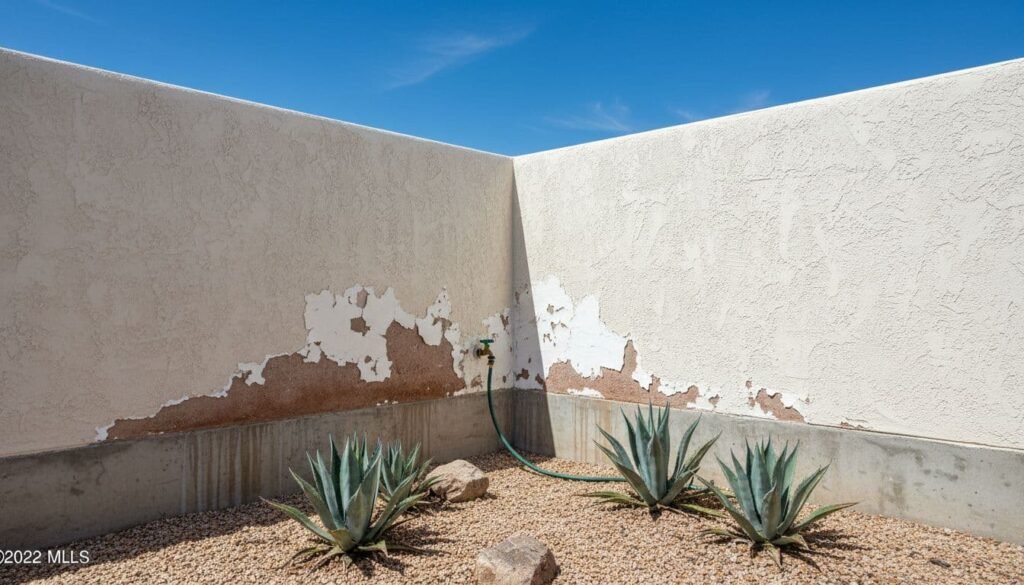
Stucco Cracks in Your Phoenix Home? How to Repair & Paint Them Correctly
Phoenix Weather: Tough on Stucco
Hot afternoons, cool nights, and intense UV. Phoenix weather is tough on stucco. Small lines creep across walls, then grow when monsoon rain hits. If you see stucco cracks, fix them early to stop water damage, peeling paint, and costly repairs.
- Stucco Cracks in Your Phoenix Home? How to Repair & Paint Them Correctly
- Phoenix Weather: Tough on Stucco
- Find the Cause: Types of Stucco Cracks that homeowners and business owners Experience
- Tools, Materials, and Weather Window for Desert-Proof Repairs
- Step-by-Step: Repair and Paint Stucco Cracks the Right Way
- Commercial Stucco: What Phoenix Businesses Should Know
- Keep Cracks From Coming Back: Simple Phoenix Maintenance
- Phoenix Stucco Repair FAQs
- Quick Reference: Tools and Materials
- Don't Delay Stucco Repairs
This guide shows how to diagnose the crack, prep the area with the right tools, repair, prime, and paint for a long-lasting finish. Hairline cracks are DIY friendly. Wide gaps, soft areas, or bulges need a professional. You will learn the best primer and paint for desert UV, the right weather window, and smart maintenance to prevent new cracks.
Ready to learn how to maintain exterior stucco coatings, the right way? Let’s get started.
Find the Cause: Types of Stucco Cracks that homeowners and business owners Experience
Not all cracks are the same. The pattern, width, and location point to the cause. Start with a simple check, take notes, and decide if it is a DIY fix or a pro job.
- Hairline crazing: Thin, map-like lines across the surface. Often from normal curing or heat. Usually cosmetic.
- Vertical or diagonal settlement cracks: Straight lines that are longer and slightly wider. Often from minor movement or soil shift.
- Horizontal cracks at control joints: Lines along joints or long wall runs. Can relate to movement or failed joint sealant.
- Stair-step cracks near windows or doors: Angular patterns around openings. Often from stress at weak points or slight foundation movement.
- Bulging or blistered stucco: Areas that bubble, sound hollow, or feel soft, often from hidden moisture or failed lath attachment.
Phoenix factors to watch:
- Intense sun and daily temperature swings cause expansion and contraction.
- Dry soil can shrink, then swell after rain or irrigation.
- Poor drainage pushes water behind stucco.
- Foundation movement shows up as stair-step or diagonal cracks.
- Example: Paradise Valley’s smooth high-end stucco finishes show UV wear faster on south and west walls.
Quick checks:
- Measure crack width. Note if it is under 1/16 inch, between 1/16 and 1/4 inch, or wider.
- Press gently around the crack. Stop if it feels soft, spongy, or hollow.
- Look for staining, chalking, or white crusts, called efflorescence, which suggest moisture.
- Note patterns that repeat across walls or align with slabs or windows.
Pause DIY if:
- Cracks are wider than 1/4 inch.
- You see rapid spreading over weeks.
- The area feels soft or sounds hollow.
- Bulges or blistering appear.
Foundation movement or leaks can show up first as stucco damage. If in doubt, call a licensed stucco or foundation pro.
Hairline vs. Structural: What You Can Fix Yourself
Hairline cracks under 1/16 inch are usually surface issues. These respond well to acrylic latex caulk or a thin patch.
Structural or moisture-related cracks are different. They show wider gaps, displacement, bulging, or soft, blistered areas. Call a licensed stucco or foundation pro for these cases.
Phoenix Climate Clues: Heat, Sun, and Soil Movement
Stucco heats up fast, then cools at night. That daily swing makes walls expand and shrink, which stresses coatings and joints. Desert soils also change with moisture. Dry spells shrink soil, heavy irrigation or rain can swell it. UV breaks down paint binders and leads to chalking. Chalking opens the door to more cracking if you do not maintain the coating.
Tools, Materials, and Weather Window for Desert-Proof Repairs
Set yourself up with the right gear and timing. You will get cleaner lines and a finish that lasts.
Tools you will use:
- Wire brush
- Stiff bristle brush
- Utility knife or small chisel
- Putty knife or trowel
- Caulking gun
- Sandpaper, 80 to 150 grit
- Clean rags
- Painter’s tape
- Drop cloths
Materials that work in Phoenix:
- Acrylic latex caulk for hairline cracks
- Elastomeric sealant for larger but stable cracks
- Stucco patch or repair mortar for voids and chipped areas
- Fiberglass mesh for wide repairs
- Masonry or stucco primer that resists alkali and chalk
- High-quality exterior paint with strong UV resistance, such as desert-rated lines from Dunn-Edwards
- Mineral spirits or soapy water for cleanup, based on product labels
Safety:
- Gloves
- Goggles
- N95 mask for dust
Timing tips:
- Work in shade, early morning, or late afternoon.
- Air temperature between 50 and 90°F.
- Low wind.
- No rain in the forecast for at least 24 to 48 hours.
- Test color on a small spot first, since desert light shifts color.
- For example, the best time to paint stucco in Mesa is early morning or late afternoon in spring and fall, when temperatures and wind are most consistent.
Pick the Right Primer and Paint for Phoenix Sun
Use a masonry or stucco primer on chalky, patched, or repaired areas. This helps the topcoat grip and reduces flashing.
When it comes to exterior painting, choose 100% acrylic or elastomeric paint with high UV resistance. Lighter colors reflect heat better and stay cooler. Plan for two coats for better coverage and longer life.
Texture Matching Tips So Repairs Disappear
Feather the patch edges so the repair blends. Use the same texture method used on your walls. Try a sponge, stiff brush, or trowel pattern to mimic the finish. Practice on cardboard first. Blend slightly beyond the patch so the eye does not catch a hard edge.
Step-by-Step: Repair and Paint Stucco Cracks the Right Way
Follow this sequence for clean, durable results.
- Clean the area. Use a wire brush to remove loose stucco, dirt, and peeling paint. Wipe dust with a dry brush or vacuum.
- Open thin cracks. Use a utility knife to create a small V-shaped channel. This gives the filler space to bond. Brush out debris.
- Fill hairline cracks. Apply acrylic latex caulk. Tool smooth with a damp finger or putty knife. Wipe excess with a rag.
- Seal 1/16 to 1/4 inch cracks. Use an elastomeric sealant or a stucco patch. Work it in firmly. Level with a trowel.
- Repair wide gaps or missing chunks. Embed fiberglass mesh in the fresh patch, then build in thin lifts. Let each lift set before adding more.
- Match the texture while the patch is workable. Use a sponge, brush, or trowel to match the surrounding finish. Feather the edges.
- Allow full cure per product label. In Phoenix, most patches need 24 to 48 hours. Thick repairs can take longer.
- Lightly sand edges if needed. Knock down any high spots for a smoother blend.
- Spot-prime patched or chalky areas. Use a masonry or stucco primer that bonds to chalk and repairs.
- Paint two coats of exterior acrylic or elastomeric. Keep a wet edge to avoid lap marks. Let the first coat dry fully before the second.
Mask windows and trim. Check control joints for failed sealant and replace as needed.
Common Mistakes to Avoid
- Do not paint over dust or chalk.
- Do not skip primer on patched or chalky spots.
- Do not work in direct midday sun.
- Do not rush cure times.
- Do not use interior caulk or interior paint outside.
When to Call a Pro in Phoenix
Call a licensed stucco contractor if cracks are wider than 1/4 inch, walls are bulging or blistered, cracks keep coming back, or you see signs of water leaks. Call a foundation pro if cracks align with the slab, show stair-step patterns, or doors and windows stick at the same time.
Commercial Stucco: What Phoenix Businesses Should Know
Stucco on commercial buildings faces different pressures than homes. Large wall runs, control joints, foot traffic, signage, and strict branding standards change how you plan repairs and paint.
Common issues on commercial exteriors
- Long wall runs: Expansion and contraction create repetitive cracking along control joints and parapets.
- Signage and penetrations: Old sign mounts and conduit penetrations are leak points if not sealed properly.
- High-traffic areas: Kick damage and cart impact near entries chip stucco and scuff paint.
- Parapet caps and flat roofs: Poor flashing lets water travel behind the stucco and show as blistering.
Repair and paint strategy for businesses
- Schedule by elevation: Phase work to keep entrances open; plan off-hours or shoulder seasons.
- Control joint focus: Use high-movement sealants rated for UV; match color to wall for a clean look.
- Parapet and roof edges: Inspect caps and flashing first. Fix water entry before patching stucco.
- Texture consistency: Large facade repaints may need a skim patch or uniform elastomeric to mask old repairs.
- Primer matters: Use alkali-resistant masonry primer on patches and chalky areas; it evens out sheen and reduces flashing on big elevations.
Product and color choices
- High-UV, dirt-resistant coatings: 100% acrylic or elastomeric systems rated for sun-baked walls.
- Satin vs flat: Many retail centers prefer low-sheen satin for washability near entries; flat hides surface flaws on large walls.
- Color control: Maintain a color schedule and keep a labeled touch-up kit for each elevation.
Inspection and maintenance cadence
- Quarterly walk: Check control joints, parapets, and door surrounds. Note stains or recurring cracks.
- Annual cleaning: Low-pressure rinse and soft-brush wash to remove dust that accelerates coating breakdown.
- Touch-ups: Seal small cracks early; do not wait for repaint cycles.
- Repaint cycles: 5–7 years on south/west elevations; 7–10 years on north/east, depending on exposure and color.
When to bring in a commercial stucco contractor
- Repeating control-joint failures, blistering, or widespread chalking.
- Water stains below parapets or under sign bands.
- Need for lift equipment, traffic control, or night work to avoid customer disruption.
Keep Cracks From Coming Back: Simple Phoenix Maintenance
A small routine keeps stucco tight and clean, which saves money later.
- Inspect walls each spring and fall. Note new cracks and failed sealant.
- Clean stucco yearly with a garden hose and soft brush. Avoid blasting water upward into joints.
- Seal small cracks early so they do not spread.
- Keep gutters clear and downspouts tight. Move water away from the slab with splash blocks or drains.
- Water the landscaping evenly to avoid sudden soil shifts near the foundation.
- Keep sprinklers off walls.
- Repaint stucco every 7 to 10 years, or sooner on sun-blasted sides.
- Install bird deterrents if woodpeckers peck holes.
- Trim tree limbs so they do not rub the walls.
- Check with your HOA. Some require color approval before repainting.
Simple Annual Checklist for Homeowners
Spring: Inspect, clean, repair hairline cracks, touch up paint.
Monsoon season prep: Check drainage, seal any gaps.
Fall: Inspect again, plan larger repairs.
Winter: Schedule repainting on mild days.
Phoenix Stucco Repair FAQs
Stucco can be rescued and repaired if you catch it in time and seal it correctly. It’s not something you’ll want to delay, especially if you own a large commercial property, since costs can increase exponentially for extreme wear.
Quick Reference: Tools and Materials
| Category | Item | Notes |
|---|---|---|
| Tools | Wire brush, stiff brush | Remove dust and loose stucco |
| Tools | Utility knife, small chisel | Open thin cracks for better bonding |
| Tools | Putty knife, trowel | Apply and level patches |
| Tools | Caulking gun | For acrylic latex and elastomeric sealants |
| Tools | Sandpaper, 80 to 150 grit | Feather edges after cure |
| Tools | Painter’s tape, drop cloths, rags | Clean job, crisp lines |
| Safety | Gloves, goggles, N95 | Protect skin, eyes, and lungs |
| Materials | Acrylic latex caulk | Hairline cracks under 1/16 inch |
| Materials | Elastomeric sealant | Stable cracks 1/16 to 1/4 inch |
| Materials | Stucco patch or repair mortar | Voids, chips, and larger fills |
| Materials | Fiberglass mesh | Reinforce wider gaps |
| Materials | Masonry or stucco primer | Alkali and chalk resistant for bonding |
| Materials | 100% acrylic or elastomeric paint | UV resistant, two coats recommended |
Don’t Delay Stucco Repairs
You now have a simple, proven plan: diagnose the crack, prep clean, patch smart, prime, and paint with UV-ready products. Tackle small cracks now so water and sun do not turn them into larger failures. Call a licensed stucco or foundation pro for wide, soft, or fast-growing cracks. Add a spring check and a fall touch-up to your calendar. These steps keep your stucco sealed, sharp, and ready for the desert climate.