The Best Season to Paint a Home in Phoenix (Plus Timing Tips)
The Best Time of the Year to Paint a Home in Phoenix
The Phoenix sun can turn a simple paint job into a challenge. High heat and intense UV rays cause paint to dry too quickly or fade, leaving your home looking worn out sooner than it should. That’s why timing matters most for exterior painting in the desert. If you plan to refresh your home’s look, picking the right season isn’t just a detail; it makes all the difference for lasting color and protection.
- The Best Season to Paint a Home in Phoenix (Plus Timing Tips)
Spring and fall are the best seasons for painting in Greater Phoenix. During these months, days stay mild, humidity remains low, and you avoid the harshest heat and unexpected rain. Peoria, Glendale, and Mesa homeowners see better, longer-lasting results by steering clear of summer projects. The summer months, often topping 100°F or more, force paint to dry fast, which can lead to cracks, blisters, and poor coverage.
Choose fall or spring and give your home its best chance against the sun. This advice holds true for Phoenix, Scottsdale, Surprise, and the surrounding Valley communities. The next sections break down exactly what to expect with each season, so you can plan your project with confidence and avoid painting pitfalls common to Arizona’s desert climate.
Phoenix Climate and Its Impact on Painting
Desert living offers stunning sunsets but throws real obstacles at anyone hoping to paint a house that lasts. The intense sun, drastic temperature swings, and unpredictable monsoon humidity in Phoenix don’t cut homeowners any slack. From Tempe to Scottsdale, to Surprise, understanding how weather shapes every paint job is the first step to getting those pro-level results. Let’s break down the specifics.
Key Weather Factors for Home Painting
Phoenix’s desert climate isn’t just hot. It’s a puzzle of heat, sun, and random humidity spikes that can each undo your hard work if you’re not careful. Here’s how the main weather elements play out for paint application, adhesion, and drying:
Ideal Paint Conditions:
| Factor | Recommended Range | Why It Matters |
|---|---|---|
| Temperature | 50°F–90°F (best: 65–85°F) | Too hot dries paint too fast, causing cracks; too cold slows drying and messes with adhesion. |
| Humidity | Under 50% | Low humidity speeds drying for a smooth coat. Above 50%, paint may bubble or stay tacky. |
| UV Exposure | Low or moderate | Direct sun fades color and weakens the paint film, especially on surfaces facing south or west. |
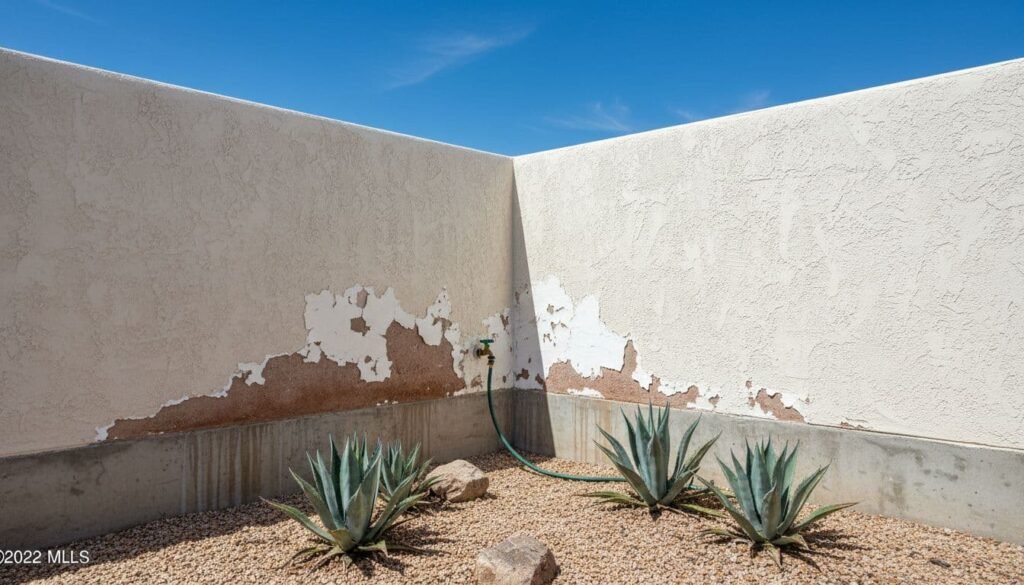
Hot summers in Phoenix, Glendale, Peoria, and nearby cities can easily push paint to dry so fast that it “skins over” before it sticks. Paint can even trap moisture, leaving you with bubbles and peeling before you ever get your money’s worth.
What actually happens if you skip ideal conditions?
- Above 90°F: Paint dries instantly on the surface, risking blisters and poor adhesion.
- Below 50°F: Paint stays soft, cures slowly, and may never bond tightly.
- High UV days: Colors fade fast, especially reds and blues, and coatings break down quickly.
- Humidity over 50 percent: Paint gets sticky, attracts dust, and can even wash away during monsoon rains.
If your exterior is stucco, that heat lingers even longer, magnifying every negative effect the Phoenix sun dishes out.
Pro Tip: Paint in the morning right after sunrise or in the late afternoon before sunset. Midday temps can skyrocket, especially in Surprise AZ, Chandler, or Mesa, leaving little margin for error. Painting during these cooler windows helps paint dry at just the right pace, creating a strong bond with your home, no matter which desert city you call home.
Keep these factors central in your planning, whether you live near Camelback Mountain or in the heart of Scottsdale. Getting this right means longer-lasting curb appeal and less wasted effort battling the elements.
Best Seasons for Painting Your Phoenix Home
Choosing the right season to paint your home in Phoenix or nearby cities pays off in stronger color and protection. While the intense heat and dry weather challenge painters, both spring and fall present great opportunities for smoother, longer-lasting results. Here is what makes these seasons shine for homeowners in Scottsdale, Surprise, and across the Valley.
Why Spring Works Well
When Phoenix enters spring, the weather begins to cooperate. Average daytime temperatures hold steady between 70°F and 85°F, making it easier for paint to stick and dry as intended. Cool mornings and mild afternoons create a window for painting without the stress of surface overheating.
Homes built with stucco, wood, or even brick benefit from spring’s predictable days. The steady climate gives both professionals and DIYers the chance to focus on detail work, with paint having ample time to cure before summer’s extreme heat arrives.
After a long, dry winter, prepping your exterior for paint matters. Dust, pollen, and debris can collect on siding or stucco. Power washing or a thorough scrub clears away what winter leaves behind. This step helps fresh paint bond tightly, so it looks sharp for years instead of months.
Spring in the Phoenix area is also a time to be thoughtful about color. Some shades resist fading and sun-bleaching better than others. Want your home to stay vibrant longer? Try lighter colors, such as sand, off-white, pale blue, or taupe, which reflect sunlight and hold up through long hot seasons more effectively. Bold reds and blues may need extra coats or higher-grade formulas to resist fading in cities like Mesa, Glendale, and Chandler.
Tips for a successful spring paint job:
- Wash surfaces thoroughly after winter’s dust buildup.
- Check for cracks in stucco or wood before painting.
- Use exterior paints rated for UV protection to outlast the Arizona sun.
- Choose colors with high light-reflectance value (LRV) for cooler, longer-lasting exteriors.
Have you noticed how certain homes keep their color while others fade? Often, it comes down to shade choice and prep work. Materials like stucco soak up sun, so a lighter palette helps preserve curb appeal through those scorching Scottsdale, AZ summers.
Fall Painting Advantages
Fall ranks as a favorite for Phoenix-area homeowners planning exterior jobs. By September, the worst of the summer heat breaks. Days cool into the ideal 65°F to 85°F range, and the monsoon season fades, reducing the chance of rain delays. With humidity low and sunset coming earlier, you get a comfortable work schedule and consistent conditions for painting.
Cooler fall nights actually help fresh paint cure more evenly. Paint applied during the fall adheres well, resists cracking, and dries without bubbling. While winter in Phoenix is mild, a strong fall paint job means your home faces fewer challenges from the occasional cold front or desert wind.
In communities like Surprise, AZ, locals appreciate the drop in wind during the fall. Calmer breezes mean airborne dust and debris won’t land in wet paint, leading to a smoother finish. This is key for both stucco homes and wood exteriors that benefit from a flawless coat.
A critical fall tip: Don’t cut corners on sealing. Caulking joints, filling gaps, and using a weatherproof exterior paint formula keep your home ready for those few chilly nights the Phoenix region sees each year. Take a look at areas exposed to both sun and cold, such as west- or north-facing walls, and treat them to prevent peeling before spring rolls around again.
Quick checklist for a great fall painting season:
- Paint during stable, dry days with low wind for best results.
- Finish by late November to avoid nights that drop below 50°F.
- Seal gaps and apply a weather-resistant paint to protect against cooler months.
Homeowners in Peoria, Gilbert, and Avondale often note that fall paint jobs stretch their lifespan an extra year or two. Planning ahead and taking advantage of autumn’s gentle weather pays dividends, keeping your exterior fresh all the way to next spring.
Which season is right for you may depend on your schedule and last year’s weather. With the right prep, either one can set your home up for lasting curb appeal and less frequent touch-ups.
Seasons to Avoid and Why
Every season in the Phoenix area brings unique challenges to exterior painting. Picking the wrong time of year can mean wasted effort, a finish that doesn’t last, or expensive do-overs. Understanding when not to paint in cities like Phoenix, Scottsdale, Peoria, and Surprise helps you avoid costly mistakes and maintain your home’s curb appeal.
Risks of Summer Painting
Few things test a house paint job like a Phoenix summer. Daily highs soar above 100°F across the Valley, especially in Glendale and central Phoenix. Here are some dangers to watch for if you consider painting in the summer:
- Heat Blistering and Rapid Drying: When paint dries too fast in the desert heat, the surface forms a skin while the uncured paint underneath tries to expand. This traps heat and air, causing unsightly blisters, bubbles, or even peeling before the job is done.
- Dust Storms: Summer and monsoon season (typically July through September) bring frequent dust storms. Sand and grit swirling through the air land on fresh paint, ruining the smooth finish and causing poor adhesion. The rough finish and contamination shorten the new paint’s lifespan.
- Humidity Spikes and Monsoon Rains: Monsoon season doesn’t just bring dust. Sudden flashes of high humidity and rain can interrupt painting and curing. Humidity levels shoot up, and moisture may get trapped under the paint, leading to blistering or mildew growth down the road.
If your home is in a hot spot such as Glendale, it’s best to wait for more stable weather. Scheduling your painting project for fall means cooler temperatures, less wind, and more consistent humidity, ideal for paint adhesion and long-lasting color.
Key Takeaways for Summer:
- Avoid paint jobs from June through September.
- Monsoon storms and dust can destroy fresh paint.
- Extreme heat makes paint dry too fast, trapping moisture and air.
- Safer to hold off until the fall, when days and nights are more predictable.
Winter Painting Challenges
Winter brings a new set of hurdles for exterior painting in Phoenix, Chandler, and beyond. While Phoenix winters are milder than most of the country, problems still pop up:
- Shorter Days: Winter sunlight can be gentle, but you have fewer hours to get the job done. Less daylight means there’s less time for the paint to dry.
- Dew Point Drops: As the sun disappears and the temperature falls, moisture from the air condenses on cool surfaces. Painting just before this happens can leave you with streaks or poor paint adhesion.
- Chilly Nights: Even if daytime highs reach the painting sweet spot, nighttime lows can drop below the recommended threshold. Paint applied late in the day may cure too slowly or not at all, especially on shady or north-facing walls.
For those with year-round plans, it’s smart to schedule exterior projects for spring, when temperatures balance out and daylight stretches longer. Mild days let paint dry evenly, and you avoid the headaches that come with winter’s unpredictability.
Winter Painting Tips:
- Paint only when temperatures stay above 50°F throughout the drying period.
- Start early to take advantage of every daylight hour.
- Wait for spring if you want to avoid moisture and unpredictable cold snaps.
A successful paint job is all about timing. Tempe, Chandler, and areas like Paradise Valley rely on smart scheduling for strong, beautiful exteriors that stand up to the sun, storms, and monsoon season moisture. Use these seasonal guidelines to keep your home looking its best year after year.
Practical Tips for Successful Painting in Phoenix
Painting a home in Phoenix takes more than just good weather. The right tools, preparation steps, and timing can make the difference between a finish that fades and one that turns heads in neighborhoods and suburbs in this area. With the extreme temperatures, strong sun, and blowing dust common across the Valley, being strategic about how you paint boosts durability and curb appeal.
Choose the Right Paint for the Desert
Not all paint is built for the Phoenix sun. The best results come from selecting products tailored for desert conditions.
- Opt for UV-resistant exterior paints. These formulas stand up to the daily barrage of sunlight, keeping color strong and helping the finish last longer in hot zones like Peoria or Chandler.
- Pick lighter colors when possible. Shades like sandy beige, pale gray, or classic white reflect sunlight. They help keep surfaces cooler so paint sticks better and resists fading. Bolder hues can work, but expect more upkeep.
- Invest in high-quality paint. Higher-grade paints have added resins and better pigments. While pricier up front, they protect against chipping, peeling, and early fading, especially on south- and west-facing walls.
Surface Preparation is Critical
Desert dust, old paint, and damaged stucco can weaken new paint jobs before they start. Set aside time for thorough prep.
- Wash off dust, pollen, and chalky residue using a hose, pressure washer, or stiff brush.
- Scrape and sand peeling areas or bubbling paint until you reach a solid base.
- Fill cracks and repair damaged stucco or trim. Use exterior caulk or filler made for the material you’re working with.
- Let cleaned and patched surfaces dry completely before applying primer or paint. This prevents moisture from getting trapped under the new finish.
A clean and repaired surface helps paint bond better, especially in high-visibility neighborhoods like Arcadia or central Phoenix.
Time Your Project for the Best Results
Smart scheduling is as important as good paint. In Phoenix, painting success often comes down to using the right part of the day and taking breaks when needed.
- Start painting early in the morning or after 4 pm to avoid the most intense sun and heat, especially from April through October.
- Avoid windy days that can send dust or debris into wet paint.
- Watch for temperature swings. Make sure the forecast overnight doesn’t drop below 50°F, since cold snaps slow down paint drying and can ruin a fresh coat.
Here’s a quick guide for optimal painting hours:
| Month | Recommended Start Time | Notes |
|---|---|---|
| March–May | 7–11 am, 4–6 pm | Spring’s mild days, less pollen |
| October–November | 8–11 am, 3–5 pm | Cooler, calmer, fewer storms |
Use the Right Equipment
Better tools yield better results, especially in Arizona’s climate. Some essentials include:
- Quality synthetic brushes or rollers made for exterior surfaces and water-based paints.
- Paint trays with liners to speed up cleanup.
- Drop cloths to shield plants, gravel, and patio surfaces from splatters.
- An extension ladder for reaching eaves or two-story walls safely.
- Painter’s tape to mark off edges and trim for crisp lines.
In Gilbert and Mesa, wind and dust are everyday challenges. Using drop cloths and covering nearby windows or plants saves cleanup time and avoids sticky residue.
Maintain Safety in Hot and Sunny Weather
It’s easy to get caught up in the job and forget self-care. Painting in the heat or sun, even outside in summer, demands attention to safety:
- Wear light-patterned, breathable clothing, a hat, and sunglasses to reduce sun exposure.
- Apply sunscreen to any uncovered skin.
- Take water breaks every 30 to 45 minutes, even if you don’t feel thirsty.
- Store paint cans in the shade and keep them closed when not in use to avoid premature thickening or drying.
Homeowners in Surprise, AZ, and areas north of Phoenix often work with friends or family for extra hands and to keep an eye on each other’s safety.
Clean Up and Inspect Your Work
A careful cleanup finishes your project strong:
- Remove tape as soon as the paint feels dry to avoid peeling.
- Rinse brushes, rollers, and trays promptly, especially if temperatures are warm.
- Walk the property to spot touch-ups before packing everything away.
A sharp final look leaves Scottsdale homes and every address in the Valley looking cared-for and ready to face months of sun and wind.
With simple steps, attention to detail, and smart timing, even first-time painters create results that hold up to the toughest Phoenix weather.
Frequently Asked Questions
Painting a home in Phoenix, Scottsdale, Surprise, and nearby areas brings up a lot of questions about timing, technique, and how to keep that fresh curb appeal in a desert climate. Below you’ll find answers to some of the most common questions from homeowners. These insights will help you avoid mistakes and set your paint project up for lasting success.
Final Quick Tips for a Successful Paint Job in Phoenix
A few practical habits help your paint job last:
- Always use quality exterior paint and primer.
- Clean, dry, and repair surfaces before starting.
- Avoid paint projects from June through September.
- Choose spring or fall for the longest-lasting color and protection.
Getting timing right and staying on top of prep means a paint job that keeps your Phoenix-area home looking sharp for years. Whether you live in Gilbert, Glendale, or out toward Cave Creek, smart painting starts with smart questions.
Spring And Fall: The best Time
Painting a home works best when scheduled for spring or fall. These seasons offer mild temperatures and gentle sunlight, which help paint last longer and resist fading or cracking. Checking the weather forecast before you start is smart, as even one hot or humid day can impact results.
Reaching out to local painting experts gives you guidance specific to your neighborhood, from Chandler to Glendale and Peoria. A fresh coat of paint done at the right time boosts your curb appeal and protects your home for years. If you’ve waited for the perfect moment to start planning your painting project, now is the time.